
Unlocking the Power of University Alumni Networks with Louisa AI

Universities spend billions building world-class academic programs, attracting top-tier students, and nurturing lifelong alumni relationships. But when it comes to leveraging their alumni networks for real impact, most schools are leaving massive value on the table. The missing piece? Relationship intelligence. With Louisa AI, universities can activate their entire alumni ecosystem—helping students, faculty, and alumni build meaningful connections that drive real-world outcomes. University Networks Are Underutilized—And That’s a Massive Opportunity Universities have something most organizations would kill for: a built-in, highly engaged global network of students, alumni, faculty, and corporate partners. Yet, instead of being a dynamic, always-on network of opportunities, most alumni ecosystems end up as static databases, outdated directories, and occasional networking events. The problem? No one knows who knows whom. Universities don’t need more LinkedIn searches or mass emails. They need a way to surface the right relationships at the right time. That’s exactly what Louisa AI does. How Louisa AI Activates University Networks Louisa AI maps and unlocks hidden connections across the university ecosystem, making it easier to: 1. Supercharge Alumni-Driven Career Opportunities The problem: Career centers rely on job boards and career fairs—but the best job opportunities come through warm alumni referrals. The cost of using inefficient strategies to help students land jobs is high for colleges. When deciding what schools to apply to, many students specifically look at universities’ job placement rates. Example: A senior at a top business school wants to break into private equity but doesn’t have direct connections. Louisa AI detects that three alumni from the same program are now at Blackstone, generating warm introductions instantly. Harvard Business School is a great example of a university that excels in alumni-driven career connections. Its HBS Alumni Network spans global industries, with structured programs for mentorship, hiring, and warm introductions to key decision-makers in finance, consulting, and tech. 2. Strengthen University Fundraising & Alumni Giving The problem: Development teams waste time cold-emailing potential donors instead of getting warm introductions from alumni who are already engaged. Example: A university is raising $100M for a new innovation center. Instead of mass outreach, Louisa AI identifies high-net-worth alumni who have been actively mentoring students in entrepreneurship—ensuring warm, high-conversion fundraising conversations. Stanford University’s alumni network is particularly strong at leveraging relationships for fundraising. The Stanford GSB Alumni Association is deeply integrated into fundraising efforts, using structured alumni networks to drive record-breaking endowments. 3. Drive Research Collaborations & Corporate Partnerships The problem: Universities have incredible research capabilities—but struggle to connect with corporate partners that can fund projects and commercialize innovations. Example: A medical school is developing cutting-edge AI for early disease detection. Louisa AI detects that two alumni are now executives at a major biotech firm, helping the university secure a $10M research partnership. MIT’s Alumni Network is a prime example of how universities can leverage alumni to drive research partnerships. MIT alumni have held leadership roles at Google, Apple, and SpaceX, making it easier to secure corporate funding for advanced research. 4. Help Alumni Stay Connected and Add Value to Their Networks The problem: Alumni engagement mostly operates through static directories and occasional events, leaving valuable connections underutilized. Schools can offer graduates free or paid access to alumni networks powered by Louisa AI, adding even more value to the student experience. Example: An alum moving to London wants to reconnect with fellow graduates working in fintech. Louisa AI instantly identifies five fintech founders and executives from the alum’s university, providing warm introductions before they even arrive in the city. The Wharton School at UPenn runs one of the most engaged alumni networks globally, with structured mentorship programs, exclusive networking platforms, and real-time career opportunities. Louisa AI could take this to the next level by making connections proactive and automated. The Future of Alumni Networks: Always-On, AI-Powered, and Relationship-Driven The old way of managing alumni networks is reactive, manual, and inefficient: The new way? AI-powered relationship intelligence that makes alumni engagement proactive, targeted, and high-impact. With Louisa AI, universities can: The best universities don’t just educate students for four years—they create networks that generate value for life. The next generation of university alumni networks will be built on relationship intelligence. The only question is: Will your university be one of them?
B2B Startups: Unlock Growth with Relationship Intelligence

For Series A startups in B2B enterprise, the next phase of growth is all about scale. You’ve built a product, proven early traction, and secured your first customers. Now, you need to: The challenge? Traditional sales, fundraising, and hiring strategies are slow, inefficient, and expensive. But what if you could skip the cold outreach, avoid dead-end pitches, and dramatically shorten hiring cycles? Relationship Intelligence, a CRM-adjacent platform, turns every employee, investor, board member, and alum into a growth engine—helping startups unlock high-value connections, surface warm introductions, and close deals faster. Why Series A Startups Need a Smarter Network Strategy Most startups underutilize their strongest asset: their network. They spend millions on SDRs, recruiters, and marketing—only to get ignored. Meanwhile, their employees, investors, and board members are already connected to the people they need to reach. Here’s what the smartest startups know: But without the right tools, companies don’t know the relationships they have at their disposal—and they waste time on guesswork. Louisa AI eliminates this blind spot by mapping who in your network can unlock key opportunities in real time. 1. Faster Customer Acquisition: From Cold to Warm in Seconds Outbound sales is brutal for startups. Cold emails get ignored. SDRs burn through lists. Response rates are single-digit. But your investors, board members, and early employees already know decision-makers at your target accounts. Louisa AI maps these relationships instantly, helping you: Example: A Series A cybersecurity startup used Louisa to identify that a board member had a direct connection to the CIO of a Fortune 500 retailer. Instead of weeks of cold outreach, they secured a meeting in 48 hours—closing a $500K deal. 2. Raising More Capital for Series B and C Your best investors aren’t just writing checks—they’re opening doors. Most founders don’t leverage their investor network effectively when fundraising. They pitch cold to VCs, hoping for an introduction—while their existing investors already have the relationships they need. Louisa AI helps startups turn every investor into a funding accelerator by: Example: A fintech startup preparing for Series B used Louisa to identify 12 direct investor connections to top growth-stage VCs. Within weeks, they secured multiple term sheets—without a single cold outreach. 3. Hiring the Best Talent Through Referrals When a startup raises a big round, the next challenge is hiring—fast. But traditional recruiting is slow and expensive: Your best hires aren’t on the open market—they’re already in your network. Louisa AI helps startups tap into hidden talent pools by: Example: A Series B SaaS startup used Louisa to identify that an early employee had a direct connection to an engineering leader at Stripe. Within days, they made an intro and hired them before a recruiter even got involved. The Playbook: How Startups Use Network Effects to Scale Faster Some of the most successful startups in history didn’t just sell a product—they activated their networks. One of the best examples? Snowflake. How Snowflake Used Network Intelligence to Go from Startup to $100B+ IPO When Snowflake launched, they weren’t competing in an empty market. They were up against AWS, Google Cloud, and Microsoft Azure—giants with unlimited budgets and massive customer bases. But Snowflake didn’t just rely on cold outbound or marketing spend. Instead, they leveraged their investor, board, and early employee networks to land key accounts and expand rapidly. By the time Snowflake IPO’d in 2020, it wasn’t just another cloud data platform—it had deeply embedded itself into enterprise decision-making circles, thanks to warm introductions from trusted relationships. YC Startups Do This Too This isn’t just a playbook for billion-dollar companies. Many YC startups use the same approach—leveraging their network of investors, alumni, and batchmates to land customers, raise capital, and hire top talent. The key insight? The best startups don’t scale alone—they activate their network effect. Now, Louisa AI allows any Series A startup to do the same—mapping relationships in real time, surfacing warm introductions, and accelerating growth just like YC-backed companies do. Grow or Die Startups can’t afford to waste time on inefficient sales, fundraising, and hiring. The best founders don’t wait for opportunities—they unlock them through networks. The good news? You don’t have to be in YC to replicate this strategy. With relationship intelligence, startups can now map their networks in real time, identify warm introductions, and accelerate every part of growth—just like YC-backed companies do. Startups that master relationship intelligence grow faster, raise more, and hire better than those that rely on cold outbound and generic job boards. The Next Generation of Enterprise Startups Will Be Built on Networks The old way of startup growth is burning capital on outbound teams, recruiters, and cold pitches. The new way? Leveraging AI to activate the network you already have. The startups that get this right will dominate their industries. The ones that don’t will waste time on cold outreach while competitors close deals faster. Louisa AI turns your network into a competitive advantage. Now for your network effect: If you know a Series A founder, make sure they read this.
The Untapped Power of Alumni Networks: Every Company’s Secret Weapon
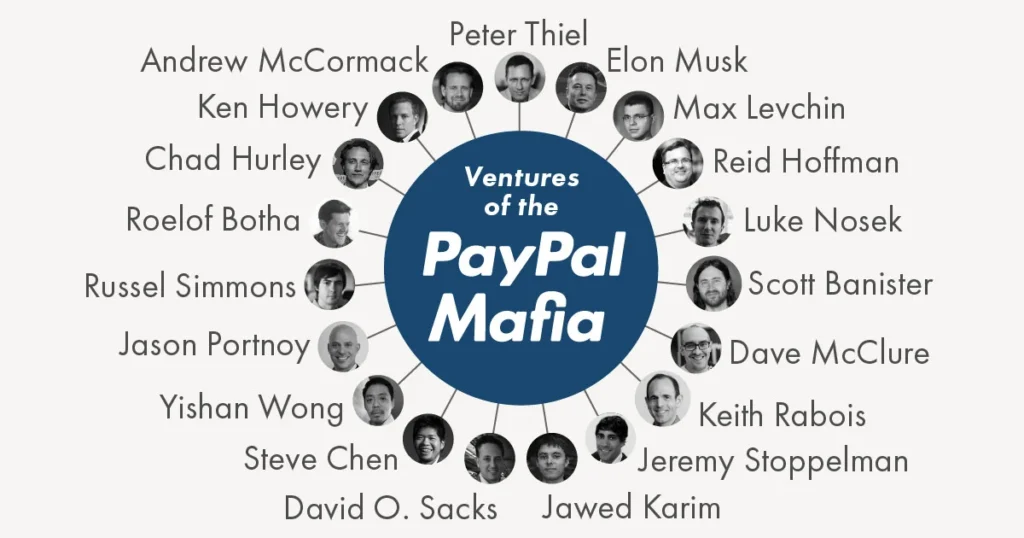
Every company wants an edge. A way to win more deals, hire faster, and outmaneuver the competition. They invest in CRMs and marketing automation—chasing better pipelines and more efficient workflows. Yet, they ignore one of the most valuable assets they already own: their alumni network. Every year, employees leave companies. Some launch startups. Others climb the ranks at Fortune 500s. Some become customers, investors, or future hires. Yet most companies treat their alumni network as an afterthought—if they track it at all. That’s a mistake. Because alumni networks are an unfair advantage hiding in plain sight. Why Alumni Networks Matter More Than Ever The way business works has changed. Traditional cold outreach and generic hiring pipelines aren’t enough. Relationships drive decisions—especially at the highest levels. Three things have made alumni networks more valuable than ever: Despite this, most companies aren’t tracking, engaging, or leveraging alumni relationships in any meaningful way. The Proof: PayPal Mafia & The Power of Alumni If you want proof that alumni networks are more than just a feel-good initiative, look at the PayPal Mafia. When PayPal was acquired by eBay in 2002, its founding team didn’t just scatter—they stayed connected, collaborated, and reinvested in each other. The result? A network effect of innovation and wealth creation that still dominates Silicon Valley today. Instead of simply maintaining casual connections, former PayPal employees built the next generation of tech giants together: They didn’t just stay in touch—they leveraged each other’s networks, funding, and expertise to accelerate success. What Companies Can Learn from the PayPal Mafia Most companies ignore their alumni after they leave, treating them as former employees instead of future partners, customers, and investors. But the smartest organizations recognize that their best alumni: What if your alumni network could do what PayPal Mafia did? Alumni networks aren’t just a corporate asset—they are a multiplier effect waiting to be unleashed. Market-leading organizations don’t just track their alumni—they activate them. They treat their alumni network as a strategic growth engine, driving revenue, hiring, and deal-making. 1. Alumni Networks as a Sales Accelerator Real Example: A consulting firm using relationship intelligence realized that a senior executive at a Fortune 500 prospect was an alum. Within 48 hours, they secured a meeting—leading to a multi-million dollar contract. 2. Alumni Networks as a Hiring & Recruiting Engine Real Example: A high-growth startup tracked alumni career moves and re-hired a former engineering lead after two years at a FAANG company—saving months of ramp-up time. 3. Alumni Networks as an Innovation & Investment Hub Real Example: A fintech company leveraged alumni connections to identify a high-potential startup before it hit the mainstream, leading to a lucrative early-stage investment. What’s Missing: Relationship Intelligence Most companies don’t tap into alumni networks because they lack the infrastructure to track and activate relationships at scale. The answer isn’t more spreadsheets or another networking event. It’s relationship intelligence—using AI and data to surface the right alumni connections at the right time. With the right system in place, every employee can tap into the full power of their company’s alumni network in real time—whether they’re closing a deal, making a hire, or forging a new partnership. Last mover Disadvantage: The Companies That Don’t Get This Right Will Lose For years, companies have treated alumni networks as a nice-to-have, not a must-have. That’s about to change. Now that a few market leaders have it, everyone needs weaponize their alumni networks—not as an afterthought, but as a core competitive advantage to level the playing field. Because in today’s world: The companies that build an AI-powered alumni strategy today will: The old way of doing business is over. The companies that recognize alumni as their secret weapon will dominate their industries. The only question is: Will your company be one of them?
Merged or Acquired: Making Invisible Networks Visible for Post-Merger Success

When two companies merge, it’s not just financials that need integration—it’s people. Bringing together hundreds or thousands of professionals with different org structures, cultures, and customer relationships isn’t just an operational challenge—it’s an existential one. If the right people don’t connect, if key relationships aren’t preserved, and if redundancies aren’t coordinated, the merger risks becoming an expensive failure. At Louisa AI, we know this firsthand. Our company spun out of Goldman Sachs, which has topped the league tables in global M&A since the beginning of time. Announcing a deal is the easy part. The real work begins when the two organizations start integrating. As Christian Bale put it in the Wall Street cult movie American Psycho, if relationships in mergers and acquisitions aren’t appropriately managed, it devolves into murders and executions. The Post-Merger Problem: Two Companies, One Uncharted Landscape M&A isn’t just about cost synergies and financial modeling. It’s about navigating an entirely new relationship map—internally and externally. Most companies don’t have a system for this. They rely on scattered org charts, LinkedIn searches, and gut instinct to piece things together. This is slow, inefficient, and risky.The companies that get M&A right use relationship intelligence—the ability to map, analyze, and act on the full expertise and networks of both organizations. The Three Pillars of Post-Merger Success 1. Navigating New Relationships Every merger brings new clients, partners, and internal stakeholders into the mix. The problem? Most people don’t know where to start. Relationship intelligence helps organizations: Without this, integration becomes a free-for-all. Teams operate in silos. Clients feel neglected. And talent leaves. 2. Breaking Down Silos & Coordinating Redundancies Every M&A deal brings overlap—in roles, in clients, in partnerships. Without a structured approach to integration, teams: Relationship intelligence solves this by: When two companies merge, every interaction matters. If the right connections aren’t made early, integration drags on for months—sometimes years. 3. Turning the Merger Into a Revenue Engine Post-merger growth doesn’t come from cutting costs—it comes from finding new revenue opportunities across the combined organization. With relationship intelligence, companies can connect the dots in real time, ensuring that the combined firm unlocks revenue opportunities from day one instead of letting them slip away. The Louisa AI Perspective: M&A is a Relationship Game At Goldman Sachs, we saw it again and again: Once a deal is announced, the real work just begins. There’s the human aspect. The cultural aspect. The organizational aspect. And at the center of it all? Relationships. Louisa AI exists to make M&A work—not just on paper, but in reality. We help companies map and leverage their newly combined networks—internally and externally—so that post-merger chaos turns into a clear, strategic advantage. Because the difference between a successful integration and a failed one isn’t just the numbers—it’s the people. Conclusion: The Hidden Playbook for M&A Success Every merger or acquisition follows the same pattern: excitement at the announcement, friction during integration, and uncertainty about long-term success. Companies that rely on spreadsheets, guesswork, and outdated org charts to navigate this transition fall behind. Companies that map, manage, and maximize relationships with AI emerge stronger. Post-merger success isn’t about financial models—it’s about making sure that the right people connect at the right time, with the right insights to drive the business forward. The deal is just the beginning. The real value is in what comes next. If you have a friend whose organization just merged or got acquired, make sure they read this and get in touch.
CRM Health Check: how much of your CRM data is stale?

AI & Data Readiness Assessment AI is transforming industries at an unprecedented pace. Companies know this, investors bet on it, and enterprises are racing to integrate it. But there’s one critical piece most businesses overlook: data readiness. For the last five years, we have worked with companies ranging from Fortune 500 giants to boutique firms. The reality? AI is only as good as the data it learns from. And most enterprise data isn’t ready. If your CRM is cluttered with outdated contacts, inconsistent formatting, and duplicate records, AI won’t fix it—it will only amplify the problem. AI is not magic. Bad data in, bad decisions out. Why Data Readiness Matters AI thrives on structured, high-quality data. Large language models (LLMs) may be impressive, but they lack a fundamental human skill: context awareness. Take CRM data as an example. A human salesperson can glance at an outdated contact and recognize that it’s no longer relevant. AI can’t—unless it’s trained on clean, structured, up-to-date information. AI-driven companies win because they treat data as a competitive asset. Why Data Readiness Matters CRM data doesn’t just stagnate—it decays at an alarming rate. • Thirty percent of CRM data becomes outdated every four years.• Fifty percent of contact data is inaccurate within seven years.• The average job tenure in the U.S. is just two to three years. Let’s put that into perspective: Contact in the CRM Outdated contact % outdated Year 1 1000 0 0.00% Year 2 2000 250 12.50% Year 3 3000 688 22.92% Year 4 4000 1266 31.64% Year 5 5000 1949 38.98% Year 6 6000 2712 45.20% Year 7 7000 3534 50.48% Year 8 8000 4400 55.01% Year 9 9000 5300 58.89% Year 10 10000 6225 62.25% By year seven, more than half of CRM data is outdated. That’s half of AI-driven outreach, recommendations, and insights based on bad data. This isn’t just an inefficiency problem—it’s an AI problem. How to Make Your CRM AI-Ready A CRM Health Check ensures your data is structured, current, and AI-compatible. • Data Quality: Identifies outdated, missing, or inconsistent records.• Data Duplication: Resolves duplicate contacts and accounts.• Data Consistency: Standardizes formats for AI processing.• Data Accuracy: Validates that contact information is up to date.• Data Completeness: Ensures all key fields are filled for better insights. Without this foundation, AI cannot deliver real ROI. The Takeaway: Data Readiness is AI Readiness AI isn’t about replacing human intelligence—it’s about amplifying it. But without high-quality data, AI’s impact is diminished from the start. • Clean data leads to better AI and smarter decisions.• Data decay leads to AI failure. The companies that prioritize data quality today will be the ones that lead in AI adoption tomorrow. AI is transforming the way businesses operate—but only for those who are prepared. Is your data ready? Let’s start with a CRM Health Check.
Deal Signals Are Not Enough. It’s What You Do Next That Wins.

The modern finance professional, whether in investment banking, venture capital, or private equity, is no longer flying blind. AI and automation have changed the game.Gone are the days when semi-private, word-of-mouth deal insights were the edge. Today, the edge comes from data—more specifically, what you do with it. Every firm has access to signals. The question is: who’s actually using them to win? More Signals, More Noise – Or More Opportunity? Financial markets today generate more data than ever before. AI scrapes financial reports, investor filings, supply chain data, even social sentiment—turning raw noise into signals. Great, right? Not quite.Because having more signals isn’t the same as making better decisions. Every firm gets these signals. The difference is how they act on them. From Cold Outreach to Warm Intros—Why Relationships Still Win In high-stakes finance, getting to the right decision-maker first is everything. But let’s be real: cold emails don’t close deals.The best dealmakers? They don’t start from scratch. They leverage: This is where the real edge lies—not in the signal itself but in how quickly and effectively you can turn it into action. Winning in the AI Era: Real-World Scenarios 1. Investment Banking: Closing M&A Faster Instead of cold pitching, the banker leverages the existing relationship—creating a fast-tracked deal conversation. 2. Venture Capital: Securing a Growth-Stage Investment Instead of competing in a public round, the VC secures a warm introduction and direct negotiations. 3. Private Equity: Owning the Diligence Process Instead of chasing leads, the firm moves first with inside access. How Louisa AI Transforms the Process What separates high-performing firms from the rest isn’t the data—it’s how fast they act on it. And the firms that use AI this way? They don’t just chase deals. They define them. Final Takeaway Every firm has access to deal signals. The winners are those who act on them faster, smarter, and more strategically.
AI-Driven Deal Sourcing and M&A Trends in 2025

Redefining How Deals Are Discovered Investment banks increasingly rely on artificial intelligence to spot potential transactions before they appear on competitors’ radars. By crunching vast data sets (from financial statements and industry reports to social media chatter) AI algorithms can identify emerging market opportunities, distressed assets, and consolidation prospects in real time. For M&A teams, this means an ever-expanding window of discovery: no longer limited to personal networks or slow-moving corporate announcements. While AI flags possible targets, Louisa’s relationship intelligence platform helps dealmakers understand existing connections and decision-maker proximity. By mapping out your network and pinpointing who knows whom, Louisa enables you to quickly assess if your organization (or a partner) already has a direct or indirect link to a prospective target. This dual-pronged data insights and relationship mapping approach can significantly accelerate deal sourcing. Enhancing Due Diligence with Big Data Once a potential deal emerges, AI speeds up due diligence by scanning public and private data repositories for financial statements, legal filings, news articles, and even patents. Machine learning algorithms can identify potential red flags (such as pending lawsuits or irregularities in revenue streams) and provide predictive analytics around a target’s future performance. While algorithms assess the quantitative data, Louisa offers clarity on the qualitative side, the strength or weakness of relationships tied to the prospective deal. You can gauge executive reputations, past collaborations, and overall compatibility by looking at your network’s historical interactions with target companies. This cross-validation of financial metrics and relational insights provides a more holistic understanding of the target. Transforming Market Assessments AI’s ability to crunch macro and microeconomic indicators in real-time is especially critical in volatile markets. As global events unfold (from changing trade regulations to political instability) AI-powered tools can recalibrate potential valuations and risk profiles on the fly, giving M&A teams an ever-updated view of market sentiment. Even with the best market intelligence, deal success often depends on personal connections and trust. Louisa complements market-driven insights by alerting you to meaningful relationship shifts (such as personnel changes at a key stakeholder’s firm) that could impact negotiations. Louisa helps you align strategic timing with relationship-driven decision-making by maintaining a real-time pulse on your network. Automating Routine Tasks An AI-driven approach also automates repetitive tasks. Contract reviews, compliance checks, and document management can be handled by specialized tools that reduce manual errors and allow bankers to focus on higher-value, strategic activities. By automating the tracking of interactions and aggregating communication histories, Louisa ensures relationship data is always up to date. No more chasing emails or scraping different CRMs for notes—Louisa centralizes and analyzes all your interactions, cutting down on administrative overhead and letting you devote more energy to deal strategy. Personalizing Outreach for Complex Transactions M&A transactions often involve various stakeholders, from executives and board members to third-party consultants. AI can tailor outreach based on stakeholders’ priorities, career backgrounds, and communication preferences. Rather than generic emails, bankers can deliver messages that resonate with each recipient’s perspective. Louisa goes further by using relationship intelligence to determine the best “in” with each stakeholder. For instance, if your team has a strong connection with a board member championing the deal, Louisa can suggest leveraging that relationship to influence other decision-makers. Through personalized templates and AI-generated content ideas, Louisa turns standard outreach into meaningful dialogue tailored to each relationship’s history and context. Forecasting the Future of M&A As AI tools continue to mature, banks that integrate relationship intelligence into their technology stack will have a competitive advantage. They’ll benefit from real-time insights, streamlined workflows, and the ability to leverage every angle—both data-driven and relationship-based—to capture new opportunities. By combining AI-powered data analysis with Louisa’s in-depth mapping of personal networks, investment banks can craft more nuanced strategies for deal-making. Whether it’s a mid-market acquisition or a high-stakes cross-border merger, having visibility into who truly influences outcomes can be the deciding factor. Louisa’s platform makes these relationship insights accessible and actionable, so you’re never blindsided by internal politics or overlooked personal connections. Mapping Expertise and Finding the Right Experts A critical yet often overlooked element of M&A success is bringing the right specialists into the conversation early. Expertise mapping allows banks to identify who within their organization—or extended network—possesses the specific legal, financial, or industry knowledge required for a given deal. By layering AI-driven data analysis on top of relationship intelligence, platforms like Louisa can highlight not only which team members have relevant expertise, but also how well-connected they are to key stakeholders. This ensures that the individuals with the most pertinent insights and strongest relationships are involved at the ideal time, ultimately increasing the likelihood of an efficient negotiation and a favorable outcome. Conclusion AI-driven deal sourcing and M&A trends are revolutionizing how investment banks discover, evaluate, and execute on opportunities. Yet even the most sophisticated algorithms can’t replace the human element—knowing who has the necessary influence or insight can make or break a transaction. This is where Louisa delivers critical value. Louisa ensures bankers can seamlessly combine data insights with strategic, personal outreach by overlaying relationship intelligence onto AI-driven market assessments. The year 2025 will see continued advancements in AI technology and a surge in data-centric deal strategies. Banks that embrace integrated tools—where data meets deep relationship insights—will be best positioned to adapt, innovate, and thrive in an ever-evolving financial landscape.
Leveraging the Holiday Season to Strengthen Business Relationships and Plan Ahead

Turning Season’s Greetings into Opportunities As the end of the year approaches, it brings a unique opportunity to strengthen professional relationships and set the foundation for future success. The festive season is inherently personable, making it the best time to reconnect with clients, colleagues, and prospects without being intrusive or overly sales-focused. Sending well-crafted holiday wishes allows you to engage authentically, demonstrating goodwill and genuine interest. The Perfect Time to Reconnect and Plan for the Year Ahead The holiday season offers a natural context for reaching out. People are generally more receptive during this time, and the exchange of well-wishes is a universally accepted gesture. By taking advantage of this period, you can rekindle dormant connections and reinforce existing ones. A simple, thoughtful message can open doors to meaningful conversations and future collaborations. For go-to-market professionals, the end of the year isn’t just about closing current deals; it’s also about strategizing for the future. This is the moment to start planting seeds for what you hope to harvest later. Identifying which accounts to prioritize and establishing strategies for your biggest clients and prospects are crucial steps. By engaging now, you set the stage for successful partnerships and business growth in the coming year. Making the Most of a Personable Season While sending holiday wishes is common, opting for a generic message to your whole address book may not yield the best results. Impersonal greetings are often overlooked, and recipients may not feel compelled to respond. Instead, use this opportunity to craft personalized messages that resonate with each individual. Reach out to your 100 most important relationships, not everyone. Instead of blasting everyone from your email contacts with a half-hearted greeting, focus on the 50 to 100 people who really matter. These are the relationships that can shape the year ahead—colleagues, clients, and prospects who could influence your success and growth. Of course, building a heartfelt message for each individual isn’t a stroll in the park. You’ll want to comb through past conversations, keep tabs on their career moves, and maybe even do a bit of detective work online to uncover something new and noteworthy. Mention mutual acquaintances, highlight recent achievements, and show them you’re not just checking a box—you’re reaching out because they’re important to you. Yes, it’s work, but the payoff is immense. Armed with the right tools, you can transform what seems like a daunting task into a streamlined process, kicking off the new year by forging deeper connections and fostering dialogues that actually lead somewhere. How to Reach Out to Many People with the Right Content Establishing the list of people to send wishes to and ensuring no one is forgotten requires careful planning. Moreover, tailoring different messages based on business intent and the level of proximity with each contact adds another layer of complexity. Utilize Technology to Streamline the Process Doing this manually could take countless hours, and you might still miss important contacts. This is where relationship intelligence tools like Louisa AI come into play. Such platforms help you create tailored outreach messaging efficiently by: • Compiling Your Contact List: Aggregating all your contacts in one place to ensure comprehensive coverage. • Segmenting Your Audience: Categorizing contacts based on relationship levels or business priorities. • Personalizing Messages: Using AI to craft customized messages that incorporate specific details about each individual. • Managing Outreach Efficiently: Scheduling messages and tracking responses without the administrative burden. By leveraging these tools, you can maintain the personal touch in your communications while reaching out to many people effectively. Conclusion The end of the year is more than just a festive season; it’s a strategic opportunity to reconnect, plan ahead, and strengthen your professional relationships. By sending personalized holiday wishes, you engage with your contacts in a meaningful way, fostering goodwill and setting the stage for fruitful collaborations in the new year. Don’t let this personable season pass by without making the most of it. Utilize the available tools to ensure your outreach is both efficient and impactful. By doing so, you’ll not only maintain a warm network but also position yourself for sustained success in the year ahead. Remember, your network is not just a list of contacts; it’s a dynamic ecosystem that, when nurtured, can significantly propel your professional journey. Start the new year on a strong note by fostering deeper connections and laying the groundwork for your future achievements.
How to Keep Your Network Warm: Leveraging Technology for Meaningful Engagements

In today’s dynamic business landscape, nurturing your existing network is more crucial than ever. While some industries emphasize forging new relationships, others thrive by collaborating with familiar faces. Regardless of your approach, one principle remains constant: treating your existing network with care is essential. After all, your network is one of your most valuable assets. The Importance of Nurturing Your Network Building new connections is important, but it shouldn’t come at the expense of neglecting the relationships you’ve already established. Consider this analogy: acquiring a new customer often costs more than retaining an existing one. Imagine a restaurant that goes above and beyond for first-time diners but overlooks its regular patrons—it doesn’t make sense, does it? The same logic applies to professional networking. Strengthening ties with your current contacts can lead to repeat business, valuable referrals, and lasting partnerships. Your existing relationships hold immense value because trust and rapport have already been established. Leveraging these relationships can yield quicker and more substantial results than starting from scratch. While expanding your reach is beneficial, it’s important to remember that people change roles, relocate, and experience career shifts. Someone you worked with in the past may become relevant to your future endeavors. Overcoming the Challenges of Network Management Managing a professional network can be overwhelming. With countless contacts and a vast amount of information to track, keeping tabs on everyone manually is impractical. Traditional CRM systems are geared toward managing customer data and sales pipelines, not the people and interactions that make up your network. This gap calls for a different approach—one that focuses on people rather than just customer data. To effectively nurture your connections, you need tools that are specifically designed for network management. These tools should help you stay informed about important news, career moves, or public mentions related to your contacts. They should enable you to write rich, personalized messages effortlessly, by leveraging AI and your previous interactions to generate customized content. This allows you to engage meaningfully when opportunities arise, without adding an administrative burden to your already busy schedule. Suppose you’re heading to a major city for a business trip and want to maximize your time by meeting local contacts. To arrange meetings with 20 people, you might need to reach out to 100—a daunting task if done manually. By leveraging smart networking tools, you can efficiently contact all of them in minutes, significantly increasing your chances of filling your schedule with valuable meetings.By automating these processes, you can monitor, organize, and interact with the right people at the right time. Specialized solutions like Louisa are designed with these needs in mind. While traditional CRMs focus on transactions, tools like Louisa prioritize relationships, helping you maintain and strengthen your professional connections in a more personal and efficient way. Benefits of a Warm Network Consistently maintained relationships make it more comfortable to seek assistance or propose collaborations in the future. A well-nurtured network can lead to referrals, partnerships, and insider industry knowledge that might not be accessible otherwise. Being recognized as someone who values and cultivates relationships enhances your standing in the professional community. Authentic interactions lead to more meaningful and productive professional relationships compared to purely transactional interactions. Don’t hesitate to seek insights or advice from your network. This not only provides you with valuable information but also shows that you respect and value their opinions. Conclusion In an era where connections are key to business success, keeping your network warm isn’t just advisable—it’s essential. By utilizing tools designed specifically for network management like Louisa, you position yourself for sustained success and open the door to new opportunities. Remember, your network is not just a list of contacts; it’s a dynamic ecosystem that, when nurtured, can significantly propel your professional journey. By focusing on these strategies and recognizing the importance of each connection, you’ll not only maintain a warm network but also foster a community that supports and advances your professional goals.
The Decline of Cold Outreach in B2B Enterprise Selling: Embracing New Strategies

Over the past decade, the landscape of B2B enterprise selling has transformed dramatically. Remember when cold calls and unsolicited emails were the bread and butter of sales teams? Those days are fading fast. Today, buyers are more informed, more connected, and more selective about who they engage with. The traditional methods of cold outreach are losing their effectiveness, and it’s time for businesses to adapt. At the heart of this shift lies a powerful realization: our strongest asset isn’t just our product or service—it’s our relationships. By tapping into the networks we’ve built and fostering genuine relationships, we can navigate these new challenges and come out stronger on the other side. 1. The Decline of Cold Outreach Over the Last Decade Not too long ago, a well-crafted cold email or a timely phone call could open doors to new opportunities. In 2010, sales emails boasted open rates of around 23%, with response rates hovering a near 9% (Mailchimp). But as inboxes have become flooded and buyers more discerning, these numbers have taken a nosedive. Today, the average open rate for sales emails has plummeted to about 15%, and response rates have dwindled to less than 1% (HubSpot). Think about it: professionals receive over 120 emails each day (Radicati Group). It’s no wonder that unsolicited messages often get lost in the shuffle. Advanced spam filters further complicate matters, with only 79% of commercial emails making it to the intended inbox (Return Path). Cold calling hasn’t fared much better. The success rate of turning a cold call into a meaningful conversation has dropped to under 2% (Baylor University). With 80% of cold calls going straight to voicemail due to caller ID and call-blocking apps (RingDNA), the odds are stacked against this traditional tactic. But what’s driving this decline? A significant factor is changing buyer behavior. Today’s B2B buyers spend just 17% of their purchasing journey meeting with potential suppliers—they prefer to conduct their own research first (Gartner). Moreover, a staggering 74% of people ignore “salesy” outreach altogether (Edelman Trust Barometer). 2. Network Selling: A Fresh Approach for Modern Times In this new era, relationships reign supreme. Enter network selling—a strategy that prioritizes personal connections and leverages existing relationships to open doors. Sales professionals who embrace social selling techniques are 51% more likely to achieve their quotas (LinkedIn’s State of Sales Report). Why? Because trust is the cornerstone of any business relationship. An impressive 84% of B2B buyers kick off their purchasing process with a referral (Nielsen). People trust people, especially those they have a connection with. By focusing on network selling, companies aren’t just chasing leads—they’re building bridges. This approach shortens sales cycles by 15% (Salesforce) and boosts deal closure rates by 20% when relationship mapping tools are utilized (CSO Insights). 3. Leveraging Your Most Powerful Asset: Your Relationships Your network isn’t just a list of contacts tucked away in a CRM or a Mailbox—it’s a vibrant community brimming with potential. Your Network Is Your Best Asset Existing customers can become your most passionate advocates. Companies that invest in customer advocacy programs witness a 20% increase in revenue (Influitive). And it’s not just about numbers; it’s about trust. A whopping 92% of consumers trust recommendations from people they know (Nielsen). By nurturing these relationships, you’re not just making sales—you’re building a loyal community. Reconnecting with Familiar Faces Ever considered the power of reconnecting with past customers who’ve moved on to new ventures? With the average employee tenure at about 4.1 years (U.S. Bureau of Labor Statistics), professionals frequently transition to new roles. These individuals already know and value what you offer. In fact, 90% of B2B buyers are likely to repurchase from a vendor who provided a stellar experience (Accenture). By staying connected, you’re first in line when new opportunities arise. Automating Connections and Discovering New Prospects In today’s fast-paced world, leveraging technology is key. By automating the detection of relationships and facilitating introductions, you can effortlessly expand your reach. Tools that map out your network enable you to identify warm leads and tailor your outreach, making every interaction more personal and impactful. Conclusion: Harnessing the Power of Relationships in B2B Selling The writing’s on the wall: cold outreach is waning, and the age of network selling is upon us. But this isn’t a challenge to overcome—it’s an opportunity to seize. By embracing your community, fostering genuine relationships, and leveraging the networks you’ve built, you’re not just adapting to change—you’re driving it. This approach doesn’t just lead to sales; it cultivates partnerships, fuels growth, and propels your business into the future with confidence. So, let’s shift our focus from the cold call lists and impersonal emails. Let’s invest in our most powerful asset—our community—and watch as doors open, relationships flourish, and success follows.