
How Law Firms Can Unlock Hidden Growth with Louisa AI

In the legal industry, relationships are everything. The firms that win don’t just have the best lawyers—they have the strongest networks. But most law firms still use fragmented, old-fashioned methods when leveraging those networks: The best law firms don’t wait for referrals to happen by chance—they use relationship intelligence to actively surface warm introductions, generate new business, and drive firm-wide growth. That’s where Louisa AI comes in. Louisa AI helps law firms map hidden connections, unlock warm introductions, and accelerate business development efforts by turning existing client, board, and employee networks into a structured, AI-powered growth engine. Why Relationship Intelligence Is Law Firms’ Biggest Untapped Advantage Top law firms don’t just provide legal expertise—they operate as strategic advisors. But who you know matters just as much as what you know. What separates high-growth firms from the rest? Their ability to tap into networks quickly and intelligently. The best law firms already know this. The challenge? They don’t have a system to do it at scale. How Louisa AI Helps Law Firms Scale Faster 1. Winning More High-Value Clients Through AI-Powered Relationship Mapping The problem: Partners rely on personal networks and outdated CRM records, making it hard to systematically identify warm introductions for business development. Real Example: A lawyer wants to land a new Fortune 500 client but has no direct contact. Louisa AI detects that a former associate at the firm is now the company’s General Counsel, allowing for a warm introduction that leads to a multimillion-dollar engagement. 2. Turning Business Development Teams Into Growth Engines The problem: BD teams own the firm’s CRM data, but most of it sits unused or is outdated, making it hard to track warm opportunities. Real Example: An M&A lawyer wants to expand into regulatory advisory for private equity clients. Louisa AI surfaces that a current client’s CFO has a direct connection to a leading regulatory firm, leading to a strategic partnership that generates seven figures in new business. 3. Expanding Into New Industries & Geographies The problem: Law firms looking to expand into new practice areas or regions struggle to break into unfamiliar markets without warm referrals. Real Example: A New York-based lawyer wants to expand into the Middle East market. Louisa AI detects that a former client’s board member has strong connections to regulatory agencies in Dubai, leading to a key local partnership that accelerates expansion. Which Law Firm is Leading This Approach? Kirkland & Ellis, the world’s highest-grossing law firm, by reputation has mastered the art of leveraging its network for business growth is By implementing AI-powered relationship intelligence tools like Louisa AI, law firms of any size can replicate Kirkland & Ellis’s approach—without needing decades to build a manual network. The Future of Law Firm Growth: AI + Relationship Intelligence The next generation of law firms will win by systematically mapping and activating their networks in real time. With Louisa AI, law firms can: The best law firms already know that success isn’t just about expertise—it’s about relationships. The firms that master AI-driven relationship intelligence will own the future of legal business development. Will your firm be one of them? If you forward this to the business development team, then maybe.
Why Are CRMs at Large Companies Empty?

The Broken Promise of CRMs in Large Enterprises Big companies run on relationships. Deals close, partnerships form, and opportunities arise not because of data stored in a CRM, but because the right people get connected at the right time. Yet despite billions spent on Customer Relationship Management (CRM) tools, their adoption and impact at large enterprises remain frustratingly low. From Fortune 500 corporations to multinational conglomerates, the same story repeats itself: CRMs become expensive, underutilized databases rather than the relationship-driving engines they were meant to be. Why? Because they weren’t built for how large organizations actually operate. Why Traditional CRMs Fail in Large Companies 1. Form-Filling Software Is Dead on Arrival Executives, sales teams, and business leaders are time-poor and outcome-driven. They barely have time to respond to emails, let alone manually enter data into a CRM. Expecting them to update a system that offers little immediate return is a losing battle. 2. The “Sharp Elbows” Dilemma In large organizations, information is power. Employees often guard client relationships, internal contacts, and business insights fiercely. Unlike in small startups where collaboration is natural, professionals in large firms are incentivized to protect their networks, making CRMs a black hole rather than a source of intelligence. 3. Everyone Hates Spreadsheets, So Why Is CRM Built Like One? Most CRMs resemble glorified spreadsheets. Instead of enabling deal-making, they create an administrative burden, forcing professionals to spend hours navigating clunky interfaces rather than building relationships or closing transactions. 4. Permissioning Nightmares Limit Utility Large companies operate with strict access controls, regulatory restrictions, and internal hierarchies. Information is often permissioned in ways that limit CRM usability, meaning most employees can’t fully leverage the firm’s collective network, leading to missed opportunities. The Fix: Rethinking Relationship Intelligence in Large Enterprises A next-generation approach that fixes what CRMs in large companies have failed to solve. Instead of asking professionals to manually feed data into a system they don’t want to use, Relationship Intelligence platforms flip the script. 1. Connecting People, Not Just Data Louisa AI is CRM adjacent and integrates seamlessly with existing CRMs, email, and corporate directories to auto-build relationship intelligence. It maps expertise, tracks networks, and highlights real connections—so professionals don’t have to dig through outdated directories or sift through LinkedIn. 2. System of Record to System of Insight and Action Forget static databases. Louisa AI surfaces actionable intelligence when it matters most—before a meeting, during a deal discussion, or at the exact moment an employee needs to tap into their firm’s network. 3. Built for Hybrid Work and Modern Collaboration With hybrid work models here to stay, professionals need a system that bridges remote and in-office collaboration. Louisa ensures seamless connectivity, making relationship management frictionless, no matter where people work. 4. Tailored for Large Enterprises, Not Generic Sales Born from the needs of complex organizations, Louisa AI is designed with enterprise-specific challenges in mind—compliance, security, and organizational complexity are embedded in its DNA. It’s not another one-size-fits-all CRM; it’s a solution built for how large companies actually work. 5. Something Employees Actually Want to Use Time is the most valuable asset in business. Louisa AI prioritizes usability, surfacing critical insights without extra manual effort. It integrates where professionals already work, making adoption a natural extension of daily workflows. The Future: Relationship Intelligence, Not CRM The limited adoption of CRMs in large companies isn’t a failure of technology—it’s a failure of fit. Enterprises don’t need another form-filling tool. They need an intelligence layer that turns relationships into revenue, seamlessly and securely. Louisa AI is that layer. By transforming static data into actionable insights, it ensures every professional can harness the full strength of their firm’s network—not just the data buried in a CRM. CRMs were never built for large enterprises. It’s time for a new approach.
How Executive Search Firms Can Unlock Growth with AI

Executive search is a relationship-driven business. The firms that win don’t just have the best database of candidates—they have the strongest networks and deepest connections to decision-makers. Yet, most executive search firms still operate in a manual, fragmented way: The firms that master relationship intelligence—mapping every valuable connection across their employees, clients, board members, and alumni—will dominate the future of executive search. Why Network Intelligence is the Next Competitive Edge in Executive Search Executive search firms thrive on trust and reputation—but reputation alone doesn’t scale. What separates top-performing search firms from the rest? The ability to tap into networks quickly and intelligently. The best search firms are turning networks into a repeatable, scalable advantage—and Louisa AI enables this at speed. How AI Helps Executive Search Firms Scale Faster 1. Faster Placements Through AI-Powered Relationship Mapping The problem: Search firms spend hours researching who-knows-whom before reaching out to candidates or potential clients. Example: A search firm working on a CFO placement for a Fortune 500 company uses Louisa AI to surface that one of its board members has a direct connection to a former CFO at a high-growth tech company—leading to a warm introduction and a faster placement. 2. Winning More Retained Search Mandates Through Network Intelligence The problem: Executive search firms compete for high-value retained search engagements, but decision-makers don’t respond to cold outreach. Example: A leading executive search firm wants to expand into the biotech industry but lacks warm leads. Louisa AI detects that a recent placement at a VC firm sits on the board of three biotech companies, helping the firm land two new retained search mandates. 3. Expanding Into New Industries & Global Markets The problem: Search firms struggle to break into new industries or geographies because they lack pre-existing relationships with hiring decision-makers. Example: A search firm specializing in finance wants to expand into tech executive hiring. Instead of starting from scratch, Louisa AI identifies that five of their past banking placements have transitioned into leadership roles at major tech firms—creating instant warm leads for business development. Which recruitment firm is market leading at Leveraging Relationships? One firm that exemplifies the power of network-driven executive search is Egon Zehnder—one of the world’s top executive search and leadership advisory firms. By integrating AI-powered relationship intelligence tools like Louisa AI, other search firms can catch up with Egon Zehnder’s best practices at scale—without spending decades building manual networks. The Future of Executive Search: AI + Relationship Intelligence Traditional executive search relies too heavily on manual research, outdated databases, and cold outreach. The next generation of search firms will win by systematically mapping and activating their networks in real time. With Louisa AI, firms can: The best executive search firms already know that success isn’t about just having data—it’s about knowing how to use networks intelligently. The firms that master AI-driven relationship intelligence will own the future of executive search. The only question is: Will your firm be one of them? Let’s connect with your CRM team and find out.
Unlocking the Power of University Alumni Networks with Louisa AI

Universities spend billions building world-class academic programs, attracting top-tier students, and nurturing lifelong alumni relationships. But when it comes to leveraging their alumni networks for real impact, most schools are leaving massive value on the table. The missing piece? Relationship intelligence. With Louisa AI, universities can activate their entire alumni ecosystem—helping students, faculty, and alumni build meaningful connections that drive real-world outcomes. University Networks Are Underutilized—And That’s a Massive Opportunity Universities have something most organizations would kill for: a built-in, highly engaged global network of students, alumni, faculty, and corporate partners. Yet, instead of being a dynamic, always-on network of opportunities, most alumni ecosystems end up as static databases, outdated directories, and occasional networking events. The problem? No one knows who knows whom. Universities don’t need more LinkedIn searches or mass emails. They need a way to surface the right relationships at the right time. That’s exactly what Louisa AI does. How Louisa AI Activates University Networks Louisa AI maps and unlocks hidden connections across the university ecosystem, making it easier to: 1. Supercharge Alumni-Driven Career Opportunities The problem: Career centers rely on job boards and career fairs—but the best job opportunities come through warm alumni referrals. The cost of using inefficient strategies to help students land jobs is high for colleges. When deciding what schools to apply to, many students specifically look at universities’ job placement rates. Example: A senior at a top business school wants to break into private equity but doesn’t have direct connections. Louisa AI detects that three alumni from the same program are now at Blackstone, generating warm introductions instantly. Harvard Business School is a great example of a university that excels in alumni-driven career connections. Its HBS Alumni Network spans global industries, with structured programs for mentorship, hiring, and warm introductions to key decision-makers in finance, consulting, and tech. 2. Strengthen University Fundraising & Alumni Giving The problem: Development teams waste time cold-emailing potential donors instead of getting warm introductions from alumni who are already engaged. Example: A university is raising $100M for a new innovation center. Instead of mass outreach, Louisa AI identifies high-net-worth alumni who have been actively mentoring students in entrepreneurship—ensuring warm, high-conversion fundraising conversations. Stanford University’s alumni network is particularly strong at leveraging relationships for fundraising. The Stanford GSB Alumni Association is deeply integrated into fundraising efforts, using structured alumni networks to drive record-breaking endowments. 3. Drive Research Collaborations & Corporate Partnerships The problem: Universities have incredible research capabilities—but struggle to connect with corporate partners that can fund projects and commercialize innovations. Example: A medical school is developing cutting-edge AI for early disease detection. Louisa AI detects that two alumni are now executives at a major biotech firm, helping the university secure a $10M research partnership. MIT’s Alumni Network is a prime example of how universities can leverage alumni to drive research partnerships. MIT alumni have held leadership roles at Google, Apple, and SpaceX, making it easier to secure corporate funding for advanced research. 4. Help Alumni Stay Connected and Add Value to Their Networks The problem: Alumni engagement mostly operates through static directories and occasional events, leaving valuable connections underutilized. Schools can offer graduates free or paid access to alumni networks powered by Louisa AI, adding even more value to the student experience. Example: An alum moving to London wants to reconnect with fellow graduates working in fintech. Louisa AI instantly identifies five fintech founders and executives from the alum’s university, providing warm introductions before they even arrive in the city. The Wharton School at UPenn runs one of the most engaged alumni networks globally, with structured mentorship programs, exclusive networking platforms, and real-time career opportunities. Louisa AI could take this to the next level by making connections proactive and automated. The Future of Alumni Networks: Always-On, AI-Powered, and Relationship-Driven The old way of managing alumni networks is reactive, manual, and inefficient: The new way? AI-powered relationship intelligence that makes alumni engagement proactive, targeted, and high-impact. With Louisa AI, universities can: The best universities don’t just educate students for four years—they create networks that generate value for life. The next generation of university alumni networks will be built on relationship intelligence. The only question is: Will your university be one of them?
B2B Startups: Unlock Growth with Relationship Intelligence

For Series A startups in B2B enterprise, the next phase of growth is all about scale. You’ve built a product, proven early traction, and secured your first customers. Now, you need to: The challenge? Traditional sales, fundraising, and hiring strategies are slow, inefficient, and expensive. But what if you could skip the cold outreach, avoid dead-end pitches, and dramatically shorten hiring cycles? Relationship Intelligence, a CRM-adjacent platform, turns every employee, investor, board member, and alum into a growth engine—helping startups unlock high-value connections, surface warm introductions, and close deals faster. Why Series A Startups Need a Smarter Network Strategy Most startups underutilize their strongest asset: their network. They spend millions on SDRs, recruiters, and marketing—only to get ignored. Meanwhile, their employees, investors, and board members are already connected to the people they need to reach. Here’s what the smartest startups know: But without the right tools, companies don’t know the relationships they have at their disposal—and they waste time on guesswork. Louisa AI eliminates this blind spot by mapping who in your network can unlock key opportunities in real time. 1. Faster Customer Acquisition: From Cold to Warm in Seconds Outbound sales is brutal for startups. Cold emails get ignored. SDRs burn through lists. Response rates are single-digit. But your investors, board members, and early employees already know decision-makers at your target accounts. Louisa AI maps these relationships instantly, helping you: Example: A Series A cybersecurity startup used Louisa to identify that a board member had a direct connection to the CIO of a Fortune 500 retailer. Instead of weeks of cold outreach, they secured a meeting in 48 hours—closing a $500K deal. 2. Raising More Capital for Series B and C Your best investors aren’t just writing checks—they’re opening doors. Most founders don’t leverage their investor network effectively when fundraising. They pitch cold to VCs, hoping for an introduction—while their existing investors already have the relationships they need. Louisa AI helps startups turn every investor into a funding accelerator by: Example: A fintech startup preparing for Series B used Louisa to identify 12 direct investor connections to top growth-stage VCs. Within weeks, they secured multiple term sheets—without a single cold outreach. 3. Hiring the Best Talent Through Referrals When a startup raises a big round, the next challenge is hiring—fast. But traditional recruiting is slow and expensive: Your best hires aren’t on the open market—they’re already in your network. Louisa AI helps startups tap into hidden talent pools by: Example: A Series B SaaS startup used Louisa to identify that an early employee had a direct connection to an engineering leader at Stripe. Within days, they made an intro and hired them before a recruiter even got involved. The Playbook: How Startups Use Network Effects to Scale Faster Some of the most successful startups in history didn’t just sell a product—they activated their networks. One of the best examples? Snowflake. How Snowflake Used Network Intelligence to Go from Startup to $100B+ IPO When Snowflake launched, they weren’t competing in an empty market. They were up against AWS, Google Cloud, and Microsoft Azure—giants with unlimited budgets and massive customer bases. But Snowflake didn’t just rely on cold outbound or marketing spend. Instead, they leveraged their investor, board, and early employee networks to land key accounts and expand rapidly. By the time Snowflake IPO’d in 2020, it wasn’t just another cloud data platform—it had deeply embedded itself into enterprise decision-making circles, thanks to warm introductions from trusted relationships. YC Startups Do This Too This isn’t just a playbook for billion-dollar companies. Many YC startups use the same approach—leveraging their network of investors, alumni, and batchmates to land customers, raise capital, and hire top talent. The key insight? The best startups don’t scale alone—they activate their network effect. Now, Louisa AI allows any Series A startup to do the same—mapping relationships in real time, surfacing warm introductions, and accelerating growth just like YC-backed companies do. Grow or Die Startups can’t afford to waste time on inefficient sales, fundraising, and hiring. The best founders don’t wait for opportunities—they unlock them through networks. The good news? You don’t have to be in YC to replicate this strategy. With relationship intelligence, startups can now map their networks in real time, identify warm introductions, and accelerate every part of growth—just like YC-backed companies do. Startups that master relationship intelligence grow faster, raise more, and hire better than those that rely on cold outbound and generic job boards. The Next Generation of Enterprise Startups Will Be Built on Networks The old way of startup growth is burning capital on outbound teams, recruiters, and cold pitches. The new way? Leveraging AI to activate the network you already have. The startups that get this right will dominate their industries. The ones that don’t will waste time on cold outreach while competitors close deals faster. Louisa AI turns your network into a competitive advantage. Now for your network effect: If you know a Series A founder, make sure they read this.
The Untapped Power of Alumni Networks: Every Company’s Secret Weapon
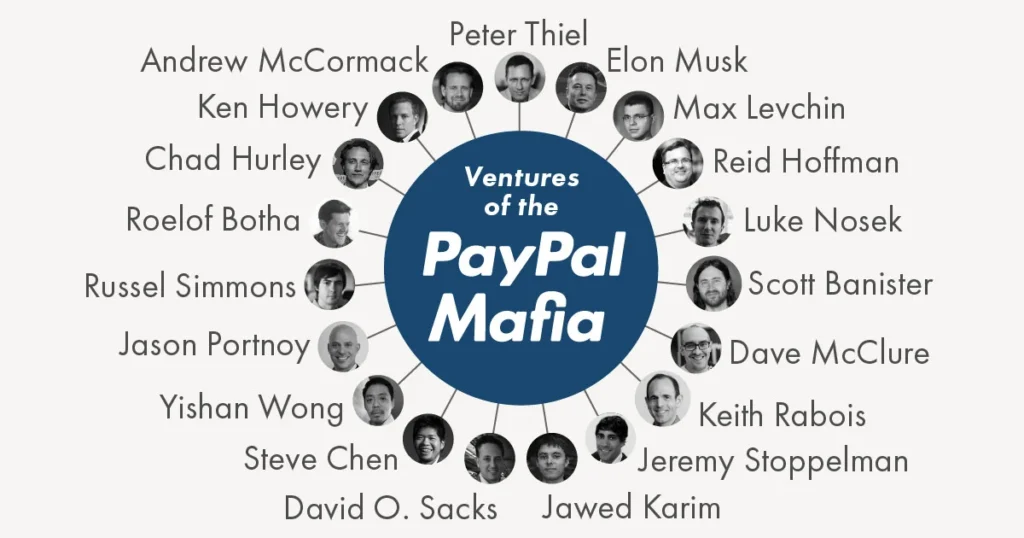
Every company wants an edge. A way to win more deals, hire faster, and outmaneuver the competition. They invest in CRMs and marketing automation—chasing better pipelines and more efficient workflows. Yet, they ignore one of the most valuable assets they already own: their alumni network. Every year, employees leave companies. Some launch startups. Others climb the ranks at Fortune 500s. Some become customers, investors, or future hires. Yet most companies treat their alumni network as an afterthought—if they track it at all. That’s a mistake. Because alumni networks are an unfair advantage hiding in plain sight. Why Alumni Networks Matter More Than Ever The way business works has changed. Traditional cold outreach and generic hiring pipelines aren’t enough. Relationships drive decisions—especially at the highest levels. Three things have made alumni networks more valuable than ever: Despite this, most companies aren’t tracking, engaging, or leveraging alumni relationships in any meaningful way. The Proof: PayPal Mafia & The Power of Alumni If you want proof that alumni networks are more than just a feel-good initiative, look at the PayPal Mafia. When PayPal was acquired by eBay in 2002, its founding team didn’t just scatter—they stayed connected, collaborated, and reinvested in each other. The result? A network effect of innovation and wealth creation that still dominates Silicon Valley today. Instead of simply maintaining casual connections, former PayPal employees built the next generation of tech giants together: They didn’t just stay in touch—they leveraged each other’s networks, funding, and expertise to accelerate success. What Companies Can Learn from the PayPal Mafia Most companies ignore their alumni after they leave, treating them as former employees instead of future partners, customers, and investors. But the smartest organizations recognize that their best alumni: What if your alumni network could do what PayPal Mafia did? Alumni networks aren’t just a corporate asset—they are a multiplier effect waiting to be unleashed. Market-leading organizations don’t just track their alumni—they activate them. They treat their alumni network as a strategic growth engine, driving revenue, hiring, and deal-making. 1. Alumni Networks as a Sales Accelerator Real Example: A consulting firm using relationship intelligence realized that a senior executive at a Fortune 500 prospect was an alum. Within 48 hours, they secured a meeting—leading to a multi-million dollar contract. 2. Alumni Networks as a Hiring & Recruiting Engine Real Example: A high-growth startup tracked alumni career moves and re-hired a former engineering lead after two years at a FAANG company—saving months of ramp-up time. 3. Alumni Networks as an Innovation & Investment Hub Real Example: A fintech company leveraged alumni connections to identify a high-potential startup before it hit the mainstream, leading to a lucrative early-stage investment. What’s Missing: Relationship Intelligence Most companies don’t tap into alumni networks because they lack the infrastructure to track and activate relationships at scale. The answer isn’t more spreadsheets or another networking event. It’s relationship intelligence—using AI and data to surface the right alumni connections at the right time. With the right system in place, every employee can tap into the full power of their company’s alumni network in real time—whether they’re closing a deal, making a hire, or forging a new partnership. Last mover Disadvantage: The Companies That Don’t Get This Right Will Lose For years, companies have treated alumni networks as a nice-to-have, not a must-have. That’s about to change. Now that a few market leaders have it, everyone needs weaponize their alumni networks—not as an afterthought, but as a core competitive advantage to level the playing field. Because in today’s world: The companies that build an AI-powered alumni strategy today will: The old way of doing business is over. The companies that recognize alumni as their secret weapon will dominate their industries. The only question is: Will your company be one of them?
The Hidden Power of Trusted Relationships in Deal-Making

In the world of finance, relationships are the real currency. A significant majority of deals are closed through personal connections—and it’s no coincidence. But let’s be clear: building these relationships and closing deals isn’t a walk in the park. The financial world is intensely competitive, and trust is the backbone of successful deal-making. The key takeaway? Trust isn’t just about knowing the right people; it’s about how you connect with them, make introductions, and ensure those connections actually translate into business opportunities. Trust: From Survival Instinct to Business Imperative Trust is not merely a business value; it’s a survival mechanism rooted deep in human history. In the earliest days of humanity, survival depended on the ability to forge and maintain strong relationships. Early humans who were able to build trust within their groups were more successful at hunting, defending against threats, and thriving as a collective. This instinct for trust has been carried over into the business world, where the ability to form meaningful, reliable connections is crucial for success. In today’s financial industry, relationships aren’t just important—they’re essential. By tapping into your network, you can leverage trust to create a ripple effect that extends your influence and opens doors to new opportunities. But the real magic happens when you know how to make trusted introductions and cultivate warm leads that are built on an already-established foundation of credibility. Trust as the Engine of Financial Success Trust is the driver behind tangible business outcomes in finance. It makes negotiations smoother, decisions faster, and transaction costs lower. Let’s think about how trust plays out in day-to-day operations. Consider someone landing a major business deal through an introduction from a trusted source—an introduction that’s built on mutual respect and credibility. This connection wouldn’t just open the door; it would give them a significant advantage in the negotiation, accelerating the process and driving smoother outcomes. The Art of First Impressions: Trust’s Role in Introductions In finance, the first impression can be everything. A deal or partnership could very well hinge on the very first moment you meet someone. That’s why trust is so important when making introductions. A warm introduction, made through someone you already trust, is far more likely to succeed than a cold call or generic email. Why? Because trust builds immediate rapport and credibility. When an introduction comes from a trusted intermediary, the chances of making a lasting connection increase exponentially. Making introductions based on trust doesn’t just improve the quality of your network—it also ensures that your connections are more meaningful and productive. This is where your relationships with trusted intermediaries become vital. By leveraging warm leads—introductions made through people you already trust—you ensure that your network grows in value and not just size. You’re not just adding names to your contact list; you’re fostering connections that have the potential to deliver real results. Trust: The Risk Reducer In any financial transaction, risk is a given. But trust works as the ultimate tool to reduce that perceived risk. When both sides of a deal trust each other, the uncertainty decreases. It’s the foundation of effective negotiation, where both parties feel comfortable moving forward. This trust is especially valuable when making introductions or bringing in warm leads. When you trust the person who makes the introduction, you’re more likely to engage in the deal with confidence, knowing that the other party has been vetted and recommended by someone you respect. Reducing perceived risk is crucial in making swift decisions and reaching agreements. Trust lowers the barriers to action, which is why leveraging warm leads is so effective in high-stakes financial deals. If you know the person introducing you is trustworthy, you’re already halfway toward establishing a reliable, risk-averse partnership. Amplifying Trusted Relationships with AI Today, technology can play a key role in helping you build trust faster. Louisa AI is a powerful tool designed to help you connect with the right people at the right moment, giving you access to a network of trusted connections. Louisa integrates your network with others, ensuring that every introduction you make is founded on mutual trust, with the goal of creating strong, reliable relationships. This helps you quickly expand your reach while maintaining the integrity of your connections—whether you’re building out your network or looking for the right warm lead to drive your next deal. With Louisa AI, you can feel confident that every introduction, every connection, and every opportunity is built on a foundation of trust, making it easier to scale relationships and grow your business with certainty. Conclusion: Trust is Your Ultimate Currency Trust isn’t just the glue that holds business relationships together—it’s the secret to thriving in the world of finance. It’s an evolutionary tool that drives business outcomes, accelerates decision-making, and reduces risk. When it comes to deal sourcing, trust is especially powerful in the art of introductions and building warm leads. In fact, the most successful deal-makers understand that trust is the key to unlocking meaningful partnerships. As you navigate the complex world of finance, remember this: trust isn’t just nice to have—it’s essential. With it, you can build a robust network, make smarter introductions, and turn relationships into tangible business results. In a landscape where 70% of deals are driven by relationships, trust is your most valuable asset. Give us a warm introduction to your CRM team, and let’s put trustful relationships in the middle of your deal flow.
Artificial Intelligence connecting Human Intelligence

Financial institutions thrive on data – understanding market trends, consumer behavior, and the intricacies of regulatory compliance. But as these data streams burgeon, how does one effectively harness this deluge and turn it into actionable insights? The answer is simple: speaking to people who with real-world experience and expertise in that area. And leading the charge in this transformative journey is Louisa AI. The Imperative Need for Collective Intelligence in Finance The financial sector has always been a maze of numbers, forecasts, and analytics. But today’s markets have become more intricate than ever before. With the hybrid working model becoming a norm, the urgency to effectively connect teams and collate their collective expertise has never been higher. Traditional corporate directories or platforms like LinkedIn often fall short when searching for granular expertise within large organizations. Imagine the possibility if every stakeholder in a bank, from the investment banker to the risk analyst, had immediate access to the specific expertise they need, without the cumbersome process of manual inquiries. Why AI is the Key to Unlocking Collective Intelligence While the value of collective intelligence is undeniable, the sheer volume and complexity of data make it almost impossible for humans alone to capture and utilize it effectively. Enter AI. AI has the capability to collate vast amounts of data, draw patterns, and make connections that might elude human analysts. By integrating data from various sources, such as corporate directories, HR systems, CRM platforms, and email graphs, Louisa AI can create a real-time map of up-to-date expertise and relationships within an organization. In a sector like finance, where time is often of the essence, having such a resource can lead to faster decision-making, identification of potential risks, and more informed investment strategies. It’s not just about having data, but about having the right data at the right time. Louisa AI: Revolutionizing Collective Intelligence Louisa AI stands out as an exemplary solution designed for knowledge-based economies like finance. Offering a comprehensive software platform, it addresses challenges such as regulatory compliance, privacy, and security, ensuring data integrity and trustworthiness. The platform’s AI-powered Expertise Graph is a game-changer. By automatically generating detailed profiles for every member of an organization, it fosters connections based on expertise, past experiences, and future aspirations. This not only streamlines operations but also fosters a collaborative environment where knowledge sharing becomes second nature. Moreover, the AI-powered Relationship Graph ensures that everyone in the company knows who’s who, all while maintaining privacy and compliance. Research indicates that it’s significantly easier to increase revenues from an existing client than to acquire a new one. With Louisa AI, financial firms can seamlessly leverage existing relationships and identify warm leads, a crucial asset in the competitive world of finance. Additionally, the platform’s Just-in-time Intelligence feature underscores the power of timely information. In an industry that’s constantly evolving, staying updated with the latest news and trends is paramount. Louisa AI’s ability to systematically route relevant information ensures that no crucial insight is missed, giving firms an edge in deal origination and client relationship management. The Way Forward The integration of AI in the financial sector is not just a trend but a necessity. As the financial landscape becomes more complex, the importance of having a streamlined, AI-powered system in place becomes paramount. Louisa AI emerges as the torchbearer in this new era, proving that when it comes to leveraging collective intelligence in finance, AI is not just an added bonus but an indispensable tool. A few market-leading investment banks, private equity firms, and venture Capitals are already competing for your wallet share by being super connected versus just connected. Its an unfair vantage that others need to catch up on. The future of finance is here, and it’s intelligent, interconnected, and incredibly efficient.
Petition for your company’s next AI project: To connect people, not replace them

Artificial intelligence (AI) often gets a reputation for replacing human tasks, leading to concerns about job displacement. However, AI’s true potential lies not in replacement but in its ability to augment human capabilities. Enter Louisa AI – a platform that uses AI to facilitate human connection, showcasing how technology can be harnessed to bring people closer together, not drive them apart.
Can AI resolve the RTO Debate between CEOs and Employees?

The ongoing battle over Return to Office (RTO) policies is not just a matter of employees and employers disagreeing over where people should work—it’s a question of how businesses can operate most effectively in a rapidly evolving landscape. CEOs and Chief People Officers (CPOs) are caught in the middle of a situation where employees increasingly demand flexible work arrangements, while business leaders seek to preserve collaboration, culture, and productivity. Traditional approaches—such as the familiar practice of “asking around” for help or expertise—are no longer efficient in this hybrid world. Can AI offer a solution that bridges the gap and helps organizations navigate the challenges of RTO? The Cracks in the in-office “Asking Around” Model Remote Work Compounds the Problem In a remote-first or hybrid world, asking around becomes even more inefficient. Without the ease of walking down the hallway or having an impromptu chat by the water cooler, informal knowledge sharing has become a broken process. This physical barrier only amplifies the inherent inefficiencies in the old model. Enter the New Era: Making invisible networks, visible. We’re in an age where speed, efficiency, and seamless access to information can make or break your organization. Enter tools like Louisa AI, which transforms expertise discovery by leveraging AI to automate and streamline the process. Conclusion: Leveraging AI to Navigate the RTO Battle As the battle over Return to Office policies continues, traditional methods of managing employee collaboration and knowledge sharing are no longer enough. CEOs and CPOs need a new approach that balances the needs of the business with employee satisfaction. AI can help by automating and streamlining expertise discovery, ensuring that employees are connected to the right knowledge at the right time. The question now is not if AI will play a role in this transition, but how quickly organizations can harness its power to optimize the future of work. CEOs and CPOs who embrace AI will be well-positioned to lead their companies to success, even amidst the ongoing RTO debate. The future of work is here. The question is whose budget will fund it—HR, Strategy or CRM? Get in touch to find out how some of the Fortune 500 are tackling this.